
Fixed price shredding: Why you should avoid variable rates & contracts
When it comes to document destruction, most businesses focus on security and compliance — and rightly so. But there's another factor that quietly drains your budget and creates unnecessary headaches: how you're being charged.
Variable-rate shredding contracts are more common than you'd think, and they cost businesses across Southern California far more than they realize. In this article, we'll break down why fixed price shredding is the smarter choice — and what red flags to watch for before you sign anything.
What Is Fixed Price Shredding?
Fixed price shredding means exactly what it sounds like: you know the cost upfront, every time. There are no surprise charges based on weight, volume fluctuations, or fuel surcharges tacked on after the fact.
With a fixed-rate shredding service, a business with one box of documents or fifty pays a predictable, quoted price before the truck arrives. For budgeting purposes alone, this is a significant advantage — but the benefits go well beyond the bottom line.
The Problem With Variable-Rate Shredding
Variable-rate shredding pricing is typically tied to weight or volume. On the surface, that sounds fair: you pay for what you shred. In practice, it creates several problems.
1. Your bill changes every month
If your business generates more paper in January (think year-end financial documents) than in July, your shredding invoice will swing accordingly. For small businesses and nonprofits managing tight budgets, that unpredictability is a real problem. Finance teams hate line items that don't stay still.
2. You have no way to verify the weight
When a shredding company charges by the pound, you're trusting their scale — and their honesty. Unless you're weighing your documents independently (which no one does), you have no way to confirm that the number on your invoice reflects what was actually destroyed. It's an honor system with real money attached.
3. Fuel surcharges and "administrative fees" pile on
Variable-rate contracts often come with additional fees that are buried in the fine print. Fuel surcharges. Environmental fees. Minimum monthly charges. Billing fees. Each one is small enough to wave away, but together they can inflate your actual shredding cost by 20–40% above the quoted per-pound rate.
4. Long-term contracts lock you in
Most variable-rate shredding providers bundle their pricing into 12, 24, or even 36-month service agreements. That means if your business needs change — you downsize, relocate, or simply find a better vendor — you're stuck paying for a service that no longer fits, or facing early termination fees.
Why Fixed Price Shredding Is Better for Your Business
A fixed price shredding model eliminates all of the above. Here's what you actually get:
Predictable costs. Whether you call for a one-time purge or schedule regular pickups, you know what you'll pay before the job starts. No calculator required.
No long-term contracts. Reputable fixed-price shredding companies like PRSS don't need to lock you in. The work speaks for itself. You use the service when you need it, on your terms.
Transparent pricing. What you're quoted is what you pay. No weight mystery, no fuel surcharge footnotes.
Better vendor accountability. When a company charges a flat rate, they're incentivized to be efficient and professional — not to maximize the weight on the truck.
What to Look for in a Fixed-Rate Shredding Company
Not all shredding services advertise their pricing model upfront, so it's worth asking directly before you commit. Here are the questions to ask:
Is your pricing fixed or based on weight/volume? A straightforward question that will tell you immediately whether surprises are coming.
Are there any additional fees beyond the quoted price? Fuel surcharges, minimum invoices, or billing fees should be disclosed before you sign.
Do you require a service contract? If yes, ask for the termination terms. If no, that's a strong sign of confidence in their service quality.
Are you NAID AAA Certified? The National Association for Information Destruction certification means the company has been independently audited for security, chain of custody, and compliance. It's the gold standard — and has nothing to do with pricing, but everything to do with trust.
Can you provide a Certificate of Destruction? This is non-negotiable for HIPAA and FACTA compliance. Any legitimate shredding service provides one automatically.
How Variable Contracts Hurt Small Businesses Most
Large corporations can absorb invoice fluctuations. A law office with three employees cannot. A medical practice in Riverside managing HIPAA compliance on a limited admin budget cannot. A small accounting firm in Ontario preparing for tax season cannot.
Variable-rate shredding disproportionately impacts smaller businesses because they have less negotiating power with vendors, less bandwidth to audit invoices line by line, and less tolerance for cost surprises.
Fixed price shredding levels the playing field. Whether you're a solo practitioner or a mid-size company, you get the same clear, upfront pricing — and the same professional, compliant service.
The PRSS Difference: Flat Rate, No Contracts, Since 1985
Pacific Records Shredding & Storage has been providing fixed-price on-site document destruction across Southern California for over 40 years. There are no long-term contracts, no weight-based billing, and no hidden fees.
We serve businesses in Los Angeles County, Orange County, San Bernardino County, Riverside County, San Diego County, and Ventura County — with flat-rate pricing on every job, every time.
Whether you need a one-time document purge, regularly scheduled shredding, hard drive destruction, or a community shred event, you'll know your cost upfront.
Ready to find out how much you'll save with transparent, fixed-price shredding? Get a free quote today →
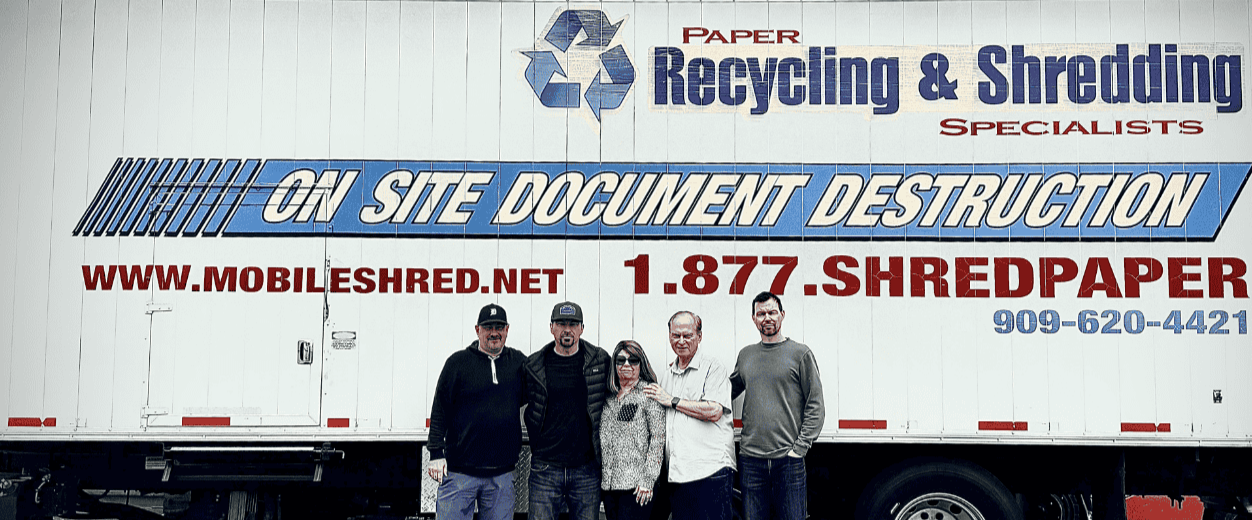
PRSS has been family-owned and operated for over 40 years!
